
When people hear that Uthman ibn Affan (رضي الله عنه) was wealthy, they often imagine comfort, ease, and a life removed from pressure.
What they usually overlook is scale.
His wealth did not exist to create distance from hardship. It existed to absorb hardship when the Ummah needed stability. It was not passive. It was not decorative. It moved precisely when pressure was highest.
This distinction matters today, because many conversations around wealth focus on lifestyle. The Sahabah (رضي الله عنهم) understood wealth as responsibility at scale.
Wealth as Readiness, Not Display
During the expedition of Tabuk, the Muslim army faced extreme difficulty. Resources were scarce. Equipment was limited. Conditions were so severe that the campaign became known as the Army of Hardship.
When the Messenger of Allah (صلى الله عليه وسلم) called for support, Uthman ibn Affan (رضي الله عنه) stood and equipped one third of the army with camels, provisions, and full readiness.
The Prophet (صلى الله عليه وسلم) said:
“Nothing that Uthman does after today will harm him.”(Tirmidhi)
This was not generosity for applause.
It was decisive action at a civilizational moment.
Muslim Founder Brief
A daily briefing on Muslim ownership, responsibility, and disciplined building.
Wealth as Infrastructure, Not Charity
In Madinah, the Well of Rumah was privately owned, and people were charged for access. Water, a basic necessity, had become leverage.
Rather than offering temporary relief, Uthman (رضي الله عنه) purchased the well outright and made it free for all Muslims.
This was not symbolic charity.
This was infrastructure-level intervention.
It removed dependency and stabilized daily life for the entire community.
When Character Outweighs Contribution
Despite his wealth, authority, and immense impact, the defining trait the Prophet (صلى الله عليه وسلم) highlighted was not leadership or generosity.
It was haya.
ʿA’ishah (رضي الله عنها) narrated that when Uthman ibn Affan (رضي الله عنه) entered, the Messenger of Allah (صلى الله عليه وسلم) adjusted his clothing and sat upright.
When asked why, he replied:
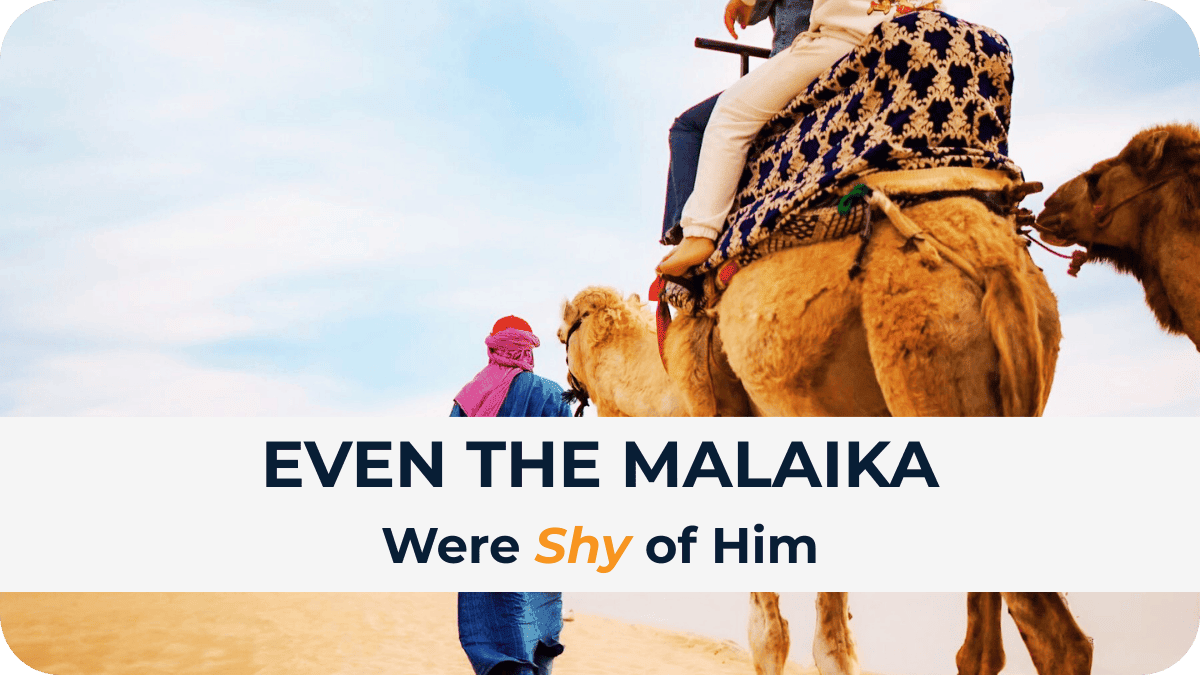
“Should I not have haya of a man whom the angels are shy of?”(Sahih Muslim)
This moment reveals the real standard. Wealth never overran Uthman’s inner discipline. Power never inflated his ego.

The Question Wealth Still Asks
The Sahabah (رضي الله عنهم) never debated whether Muslims should seek wealth. Their lives answered that.
The real question has always been what wealth does to the one who holds it.
Uthman ibn Affan (رضي الله عنه) had wealth that could fund armies and reshape cities, yet it increased his haya rather than his arrogance.
Today, many speak loudly with far less responsibility behind them.
So the question remains:
If Allah (سبحانه وتعالى) grants us wealth, will it make us more modest, more dependable, and more disciplined, or merely more visible?
That is the legacy Uthman (رضي الله عنه) left behind.
Muslim Founder Academy
Everything you need to build your business the Muslim way - from idea to institution.