
In modern business, success is often measured by what can be sold.
If a product has demand, generates revenue, and scales efficiently, it is considered successful. This mindset prioritizes market validation above all else.
However, for a Muslim founder, this approach is incomplete.
Before asking whether something can be sold, a more important question must be asked:
Is it permissible?
Permissibility Comes First
Not everything that is profitable is acceptable.
Markets may reward products that attract attention or generate high margins, but profitability alone does not define what is lawful. A Muslim founder operates within boundaries that are not determined by trends or demand.
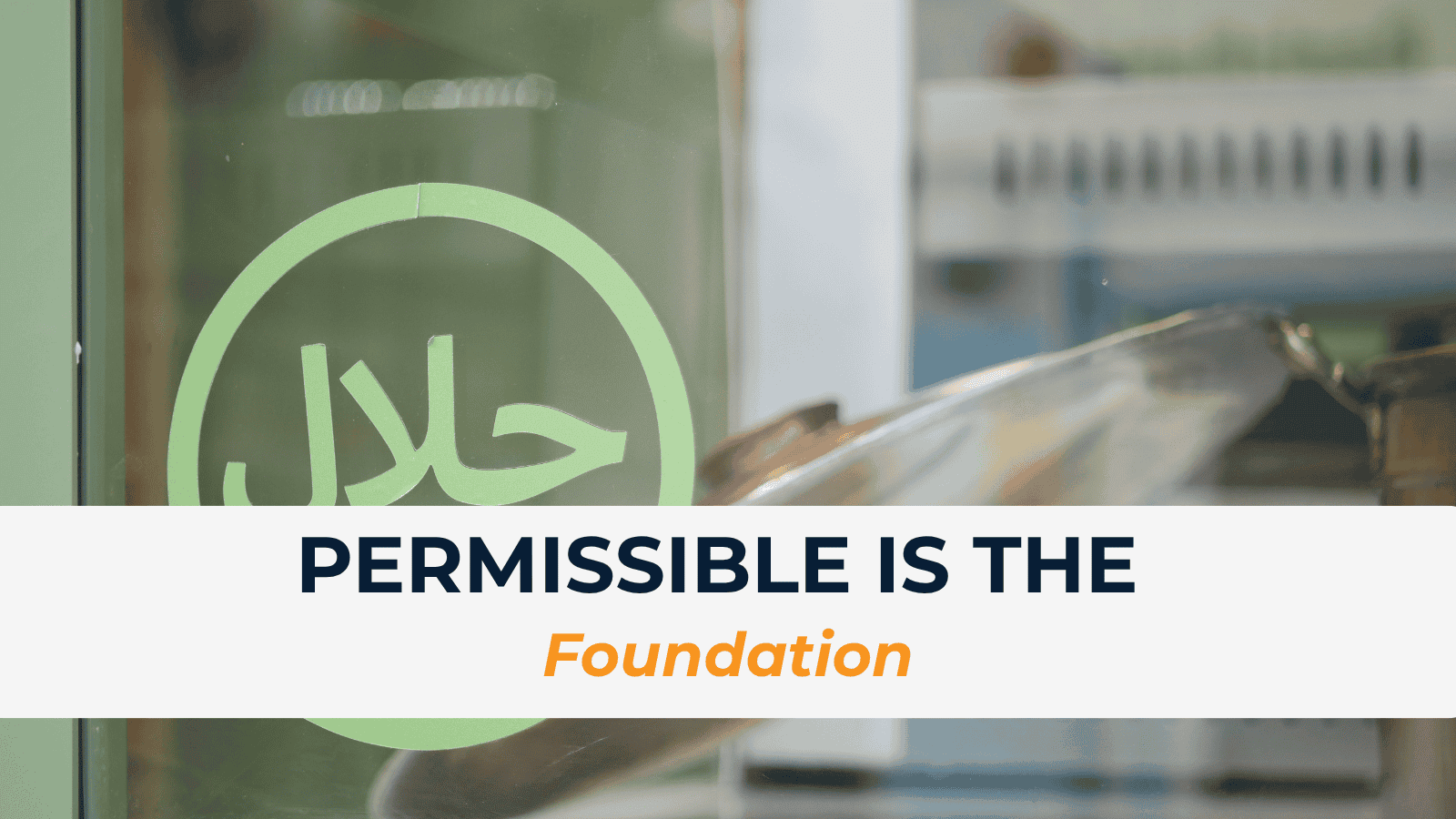
Permissibility is not an added feature to consider later.
It is the foundation.
Every product, service, and business model should be built upon what is clearly allowed. Starting with anything less creates risk, not only for the business but also for the integrity of its income.
Benefit Must Be Real
Beyond permissibility, there is a second layer of responsibility.
What is offered should be beneficial.
A product may fall within permissible boundaries yet still provide little value, or worse, contribute to harm in subtle ways. Responsible founders do not only avoid what is clearly prohibited. They also evaluate whether their work genuinely improves the lives of others.
This requires asking:
- Does this solve a real problem?
- Does it make people’s lives easier or better?
- Does it avoid exploiting weaknesses or unnecessary consumption?
Business becomes more meaningful when it is tied to real benefit.
Muslim Founder Brief
A daily briefing on Muslim ownership, responsibility, and disciplined building.
Avoiding Hidden Harm
Some products appear harmless on the surface but carry indirect consequences.
These may include encouraging unhealthy habits, promoting dependency, or creating unnecessary distraction. While such effects may not always be immediately visible, they shape long-term impact.
A disciplined founder looks beyond the immediate transaction.
They consider the broader effect of what they are offering. This level of awareness protects both the customer and the business from unintended harm.
Integrity Builds Trust
When a business consistently offers what is permissible and beneficial, it builds something more valuable than short-term profit.
It builds trust.
Customers recognize consistency. They return to businesses that align with their values and deliver reliable benefit. Over time, this trust becomes a strategic advantage.
It strengthens reputation, deepens relationships, and supports long-term stability.
Accountability in What You Offer
Business is not separate from accountability.
Every product sold and every service delivered carries responsibility. For Muslim founders, this responsibility extends beyond customers to accountability before Allah (سبحانه وتعالى).
This awareness changes how decisions are made.
It encourages caution, discipline, and a commitment to what is right rather than what is merely profitable.
Conclusion
A business can succeed financially while failing in responsibility.
For Muslim founders, success must be defined differently.
Permissibility is the starting point. Benefit is the standard. Accountability is constant.
When these elements guide what is offered, business becomes more than a transaction.
It becomes a source of meaningful value.
Because in the end, what matters is not only what you sell.
It is whether what you offer is truly worth providing.
Muslim Founder Academy
Everything you need to build your business the Muslim way - from idea to institution.