
3 minutes read
At the beginning, many entrepreneurs are humble because they are struggling, unknown, and seeking help. But success changes the environment. Followers appear. Praise increases. People begin to admire them and seek their opinions.
The problem is not the followers. The problem is what praise does to the heart. Shaytan beautifies the praise. The nafs embraces it. Slowly, a person begins to think more highly of himself than he should. What began as confidence becomes self-importance.
"No one will enter Paradise who has even a mustard-seed's weight of arrogance in his heart." (Sunan Ibn Majah)
Muslim Founder Brief
A daily briefing on Muslim ownership, responsibility, and disciplined building.
The Prophet's humility despite greatness
Yet when we look at the greatest of creation, Muhammad ﷺ, we find extraordinary humility despite being a Prophet, leader, judge, commander, and teacher.
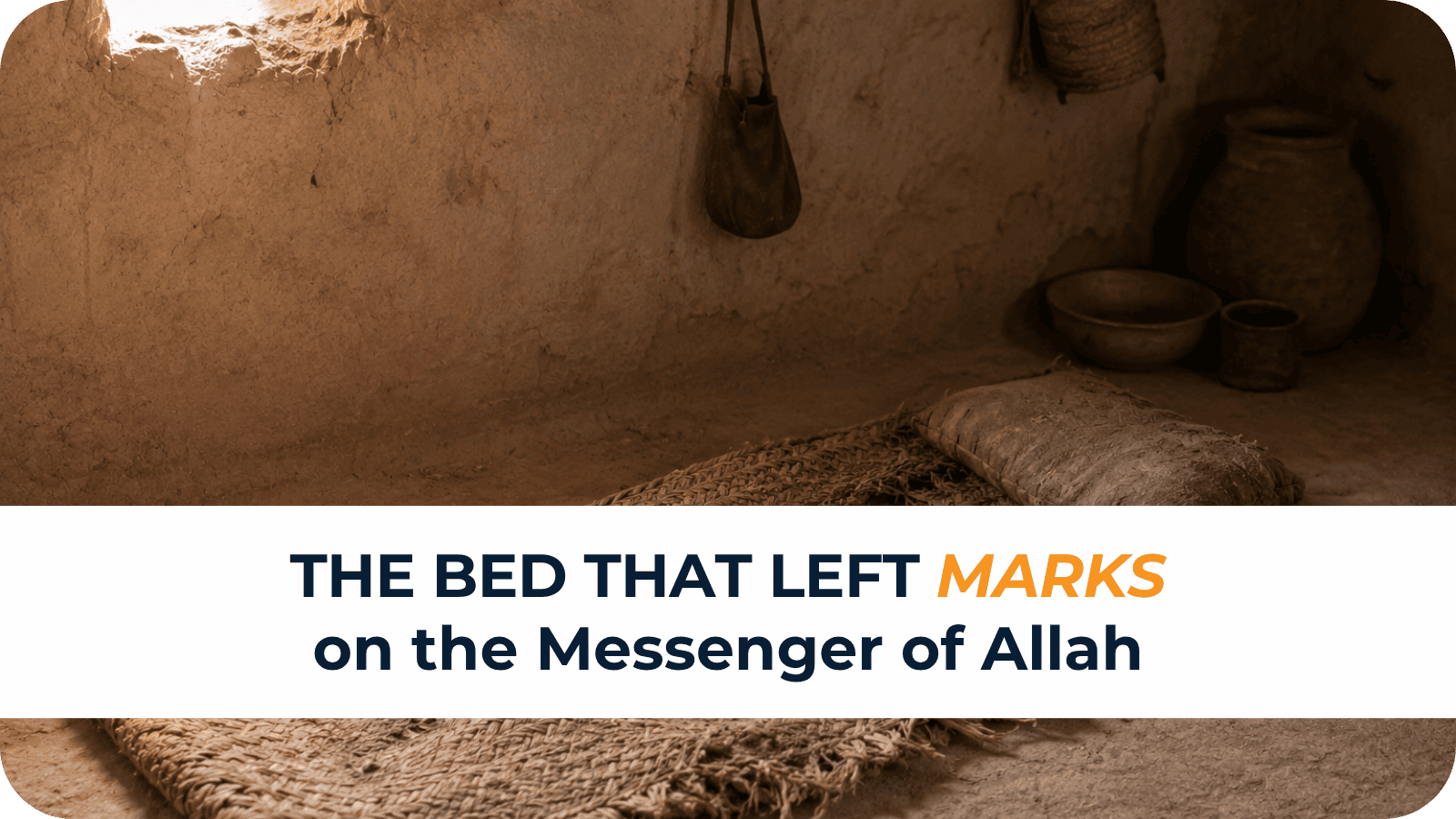
Umar wept when he saw the Messenger of Allah ﷺ lying on a mat woven from palm fibers, and the mat had left marks on his side. This was the leader of the Muslim world, sleeping on a simple mat that marked his body.
The Sahabah feared themselves more than they feared others
- Abu Bakr رضي الله عنه feared hypocrisy even though he was among those promised Jannah.
- Umar ibn Al-Khattab رضي الله عنه would walk the streets at night serving his people and carrying their burdens.
- The closer they came to greatness, the more they feared themselves.
A different fear
Today many people fear criticism. The Salaf feared praise. They understood that praise was more dangerous than blame because praise could subtly corrupt the heart while you felt you were still on the right path.
A person who hears criticism can still humble himself. A person who hears constant praise without internal vigilance begins to believe it.
What practices can a Muslim leader establish to ensure that increasing influence produces greater humility rather than greater arrogance?
Muslim Founder Academy
Everything you need to build your business the Muslim way - from idea to institution.